
About AmpHarbor
Clear Answers About Home Batteries — In Plain Language
AmpHarbor is an independent information resource focused on what happens when a home battery is added alongside solar panels: where the cabinet goes, how it ties to the inverter, and what to ask before sign-off.

Why We Built AmpHarbor
Homeowners kept describing the same confusion: contractors mentioned a battery option mid-proposal, but nobody explained where the cabinet would sit or what the electrical panel would look like afterward. Generic solar marketing skipped those details entirely.
AmpHarbor started as a set of checklists shared among friends planning panel projects. Questions piled up — garage clearance, basement humidity, exterior fire setbacks, inverter compatibility — faster than any single contractor call could cover.
We chose to focus narrowly on the battery-plus-panels scenario because that is when wiring, permits, and crew scheduling overlap. Retrofits and panel-only installs matter too, but the combined install is where most planning gaps show up first.
Today the site publishes field-style notes written for homeowners who want plain language before they talk to a licensed electrician or sign a work order. We are not affiliated with equipment manufacturers or installation franchises.
How We Research and Publish
Every guide passes through the same review path before it appears on Chalcomenit.info.
-
Gather Primary Questions
We collect real homeowner messages and installer interview notes, then sort them by install phase — site survey, permit filing, rough-in, inspection, handoff. Topics that repeat across regions move to the front of the queue.
-
Cross-Check Code Concepts
Articles reference publicly available electrical and fire-code principles without quoting local amendments verbatim. We flag where city or utility rules commonly diverge so readers know to confirm with their authority having jurisdiction.
-
Draft in Plain Language
Writers avoid brand names and model numbers. Sentences stay short. Each paragraph answers one placement or wiring question so skimming still yields usable detail.
-
Second-Pass Fact Review
A separate editor checks diagrams, terminology, and disclaimers. Content that sounds like installation advice gets rewritten as questions to ask on site. Nothing publishes with specific performance claims about household energy use.
How We Help You Prepare
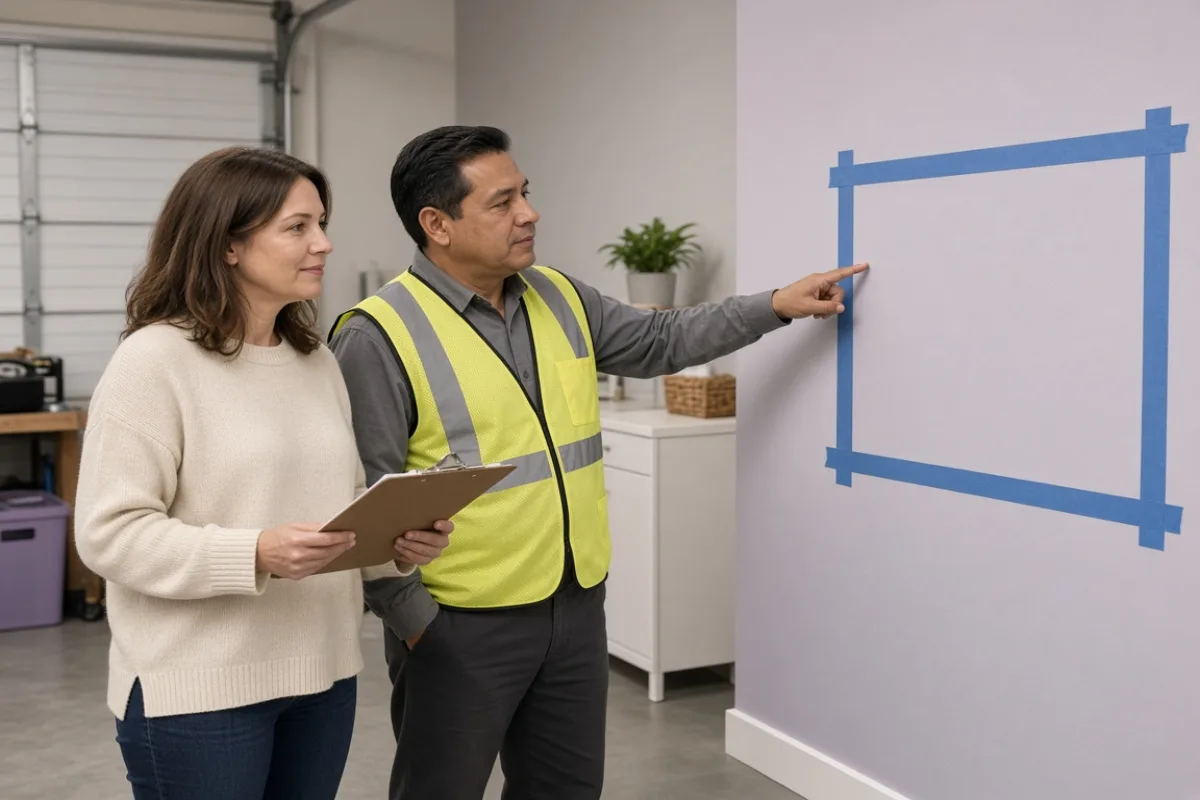
Readers usually arrive with one of three questions: whether a battery belongs in the project at all, where physical space allows a cabinet, or what the handoff inspection should cover. Our articles map each question to observable details — pad dimensions, conduit paths, labeled breakers — you can verify in person.
When you contact AmpHarbor, we ask for your panel location, proposed battery zone, and utility name. We reply with pointers on topics to raise with your licensed electrician, not a remote design or equipment pick. Every home differs in service size, load profile, and local amendments.
Guides on Chalcomenit.info stay descriptive. They explain what crews typically do so you recognize normal practice and spot missing steps. They do not replace a site visit or permit review.
We provide knowledge about home battery options during solar panel projects. We do not perform field work, supply hardware, or speak for your utility.
Where Our Role Ends
- Installation work
- AmpHarbor staff do not climb roofs, pull permits, or terminate conductors. Crew scheduling and workmanship contracts stay between you and your chosen licensed professionals.
- Hardware sourcing
- We do not stock panels, inverters, or battery cabinets. Articles never rank brands or cite model numbers because sizing depends on site conditions we cannot see remotely.
- Electrical panel changes
- Breaker additions, gateway wiring, and backup sub-panels require a licensed electrician. Our content describes what those changes often look like so you can follow the conversation safely.
- Performance projections
- We do not publish projected utility timelines, runtime hours, or similar metrics. Those figures depend on usage patterns, maintenance, and local rules outside our scope.
Research Partners and Sources
AmpHarbor occasionally collaborates with regional training centers and homeowner associations to test checklist clarity. Partners are selected for educational focus, not for lead generation. Each relationship is disclosed inside the article it informs.
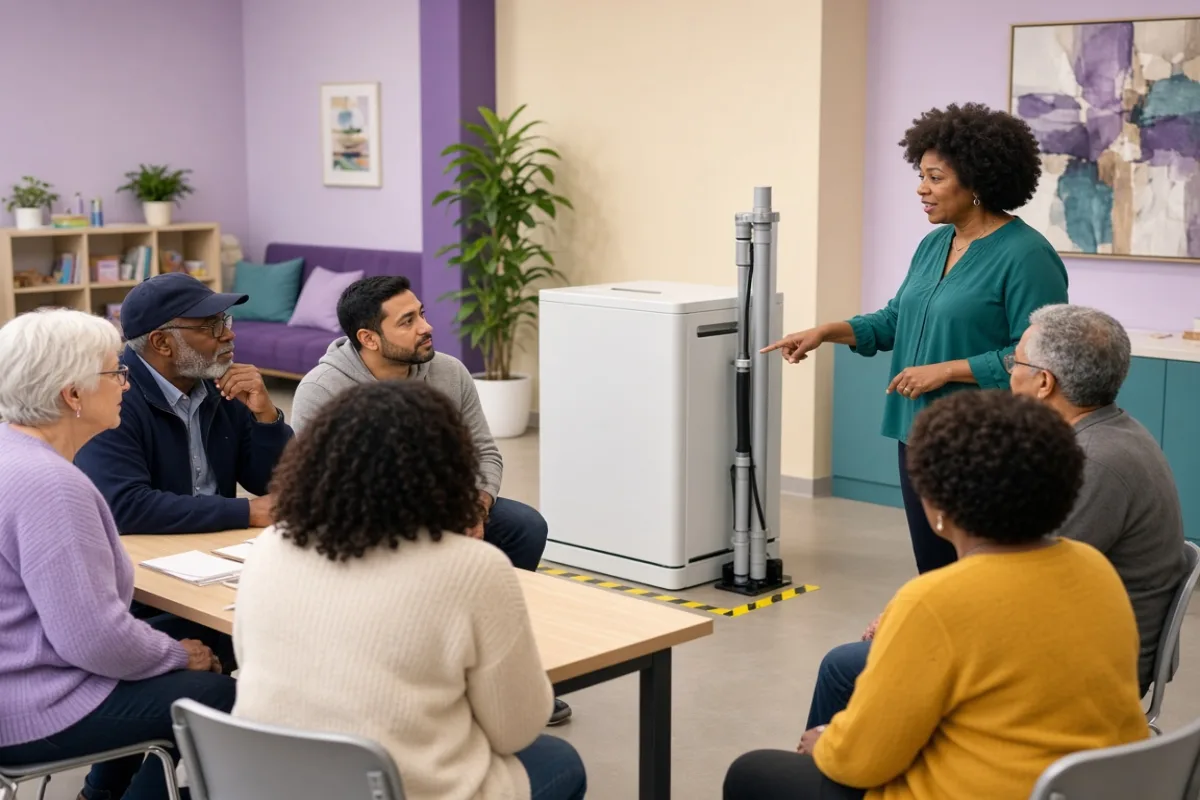
- Central Texas Home Energy Workshop — volunteer-run sessions where attendees walk through sample permit packets and label mock panel layouts.
- Northwest Grid Literacy Project — publishes interconnection timelines; we summarize their public data with permission and link to primary documents.
- Garage Safety Review Group — fire-setback measurements for indoor battery cabinets; we adapt their measurement photos into annotated diagrams.
We decline paid placements from installers and manufacturers. If a source expects promotional language, we do not use their materials. Updated partner lists appear here when new collaborations begin.
Important Information
Materials on AmpHarbor cover home solar battery topics for general reference — placement concepts, wiring basics, and questions to discuss with qualified professionals. Content is not a substitute for on-site evaluation by a licensed electrician or your local authority.
AmpHarbor is an independent information resource. We are not an installer, equipment dealer, or utility representative. We do not schedule field work, sell hardware, or compare products.
Utility interconnection rules and local building codes change often. Confirm current requirements with your utility provider and permitting office before making decisions.
Work inside the main electrical panel, load calculations, and structural assessments must be performed by appropriately licensed specialists. Do not attempt panel modifications, service upgrades, or roof penetrations without qualified supervision.
You are responsible for contractor selection and project scope. Conditions at your property — shading, equipment age, code amendments, HOA rules — may differ from examples in our articles. Another homeowner's configuration should not be copied without professional review.