
Single Project Timeline
Combining battery and panel work means one interconnection review, one site visit for conduit routing, and fewer return trips. Crews can size the inverter for storage from the start instead of retrofitting later.
Home Solar Battery Resource
Practical guidance on adding a home battery alongside solar panels: placement options, inverter wiring, permit questions, and what a battery setup visit looks like compared to panels alone.
Learn MoreA battery is often planned at the same time as panels because wiring, permits, and crew scheduling are simpler when both are scoped together.
Combining battery and panel work means one interconnection review, one site visit for conduit routing, and fewer return trips. Crews can size the inverter for storage from the start instead of retrofitting later.
Many homeowners add a battery to keep selected circuits running when grid power is unavailable. A dedicated load panel lists which circuits stay energized — usually fridge, lights, and a few outlets — not the entire house.
Installers look for dry space, code clearance, and a short cable run to the inverter before choosing a spot.
Indoor placement protects the cabinet from weather and keeps cables hidden. Floor-standing units need a level pad and wall clearance for ventilation. Check that a car or stored items will not block service access.
Outdoor-rated enclosures sit on a shaded wall near the main service. Heat and direct sun shorten battery life, so south-facing walls without overhangs are usually avoided. Rain exposure and local fire setback rules still apply.
The battery does not wire straight to roof panels. It communicates through a hybrid or storage-ready inverter that manages charge and discharge.
DC power from panels enters the inverter. The inverter sends surplus energy to the battery or to the grid. During an outage, a transfer switch isolates your home so crews can work safely on lines.
Most systems include an app or web portal showing state of charge and reserve settings. Ask your licensed electrician which operating modes are available and who adjusts them after handoff.
Numbers reflect topics reviewed across published guides, homeowner interviews, and installer checklists on this site.
Figures represent editorial coverage areas, not measured results for any specific home or equipment.
Field notes and practical breakdowns from our editorial team on battery placement and electrical changes.
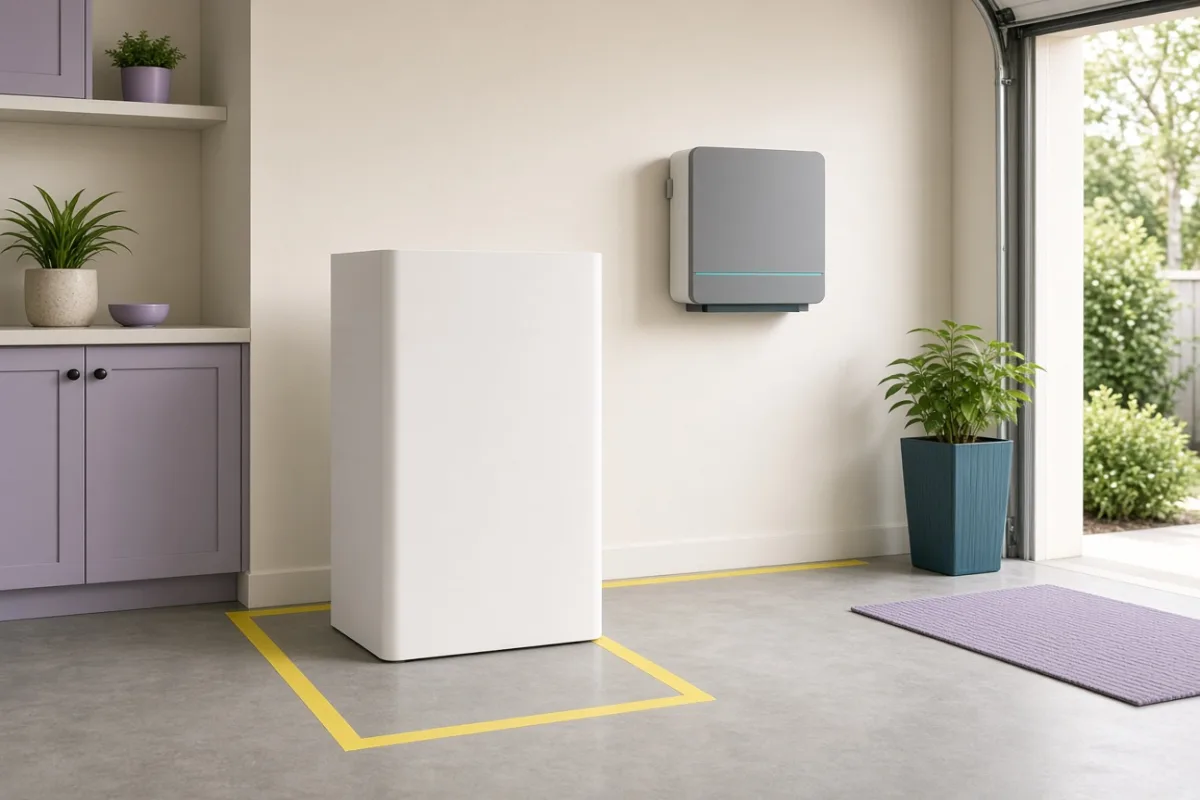
Garage corners often win because the cable run to the inverter stays short, but a basement alcove can work when the main panel sits directly below. We walk through what crews measure before marking a floor pad.
Read Article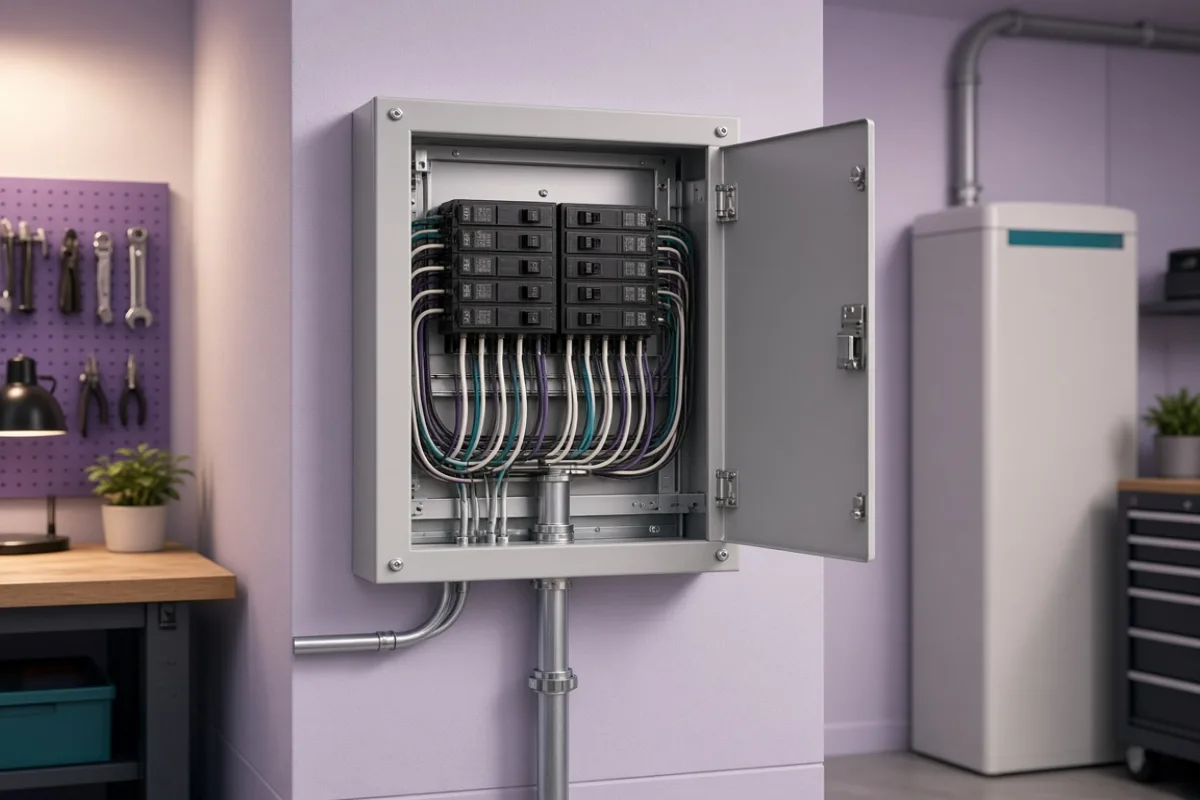
A backup gateway often means a sub-panel for critical loads and a new breaker slot in the main service. The article explains which labels should appear before the inspector arrives and why empty spaces matter.
Read ArticleHomeowners who used our guides before talking to installers share what helped them prepare.
Send us a message with your panel location, battery placement ideas, and utility name. We reply with pointers on what to confirm with a licensed electrician before work starts.
Contact UsWe provide knowledge about home battery options during solar panel projects. Every house has different wiring, roof access, and local codes — our guides help you ask better questions, not copy someone else's setup.
Learn MoreMaterials on AmpHarbor cover home solar battery topics for general reference — placement concepts, wiring basics, and questions to discuss with qualified professionals. Content is not a substitute for on-site evaluation by a licensed electrician or your local authority.
AmpHarbor is an independent information resource. We are not an installer, equipment dealer, or utility representative. We do not schedule field work, sell hardware, or compare products.
Utility interconnection rules and local building codes change often. Confirm current requirements with your utility provider and permitting office before making decisions.
Work inside the main electrical panel, load calculations, and structural assessments must be performed by appropriately licensed specialists. Do not attempt panel modifications, service upgrades, or roof penetrations without qualified supervision.
You are responsible for contractor selection and project scope. Conditions at your property — shading, equipment age, code amendments, HOA rules — may differ from examples in our articles. Another homeowner's configuration should not be copied without professional review.