Permit Questions to Settle Before Your Battery and Panel Install
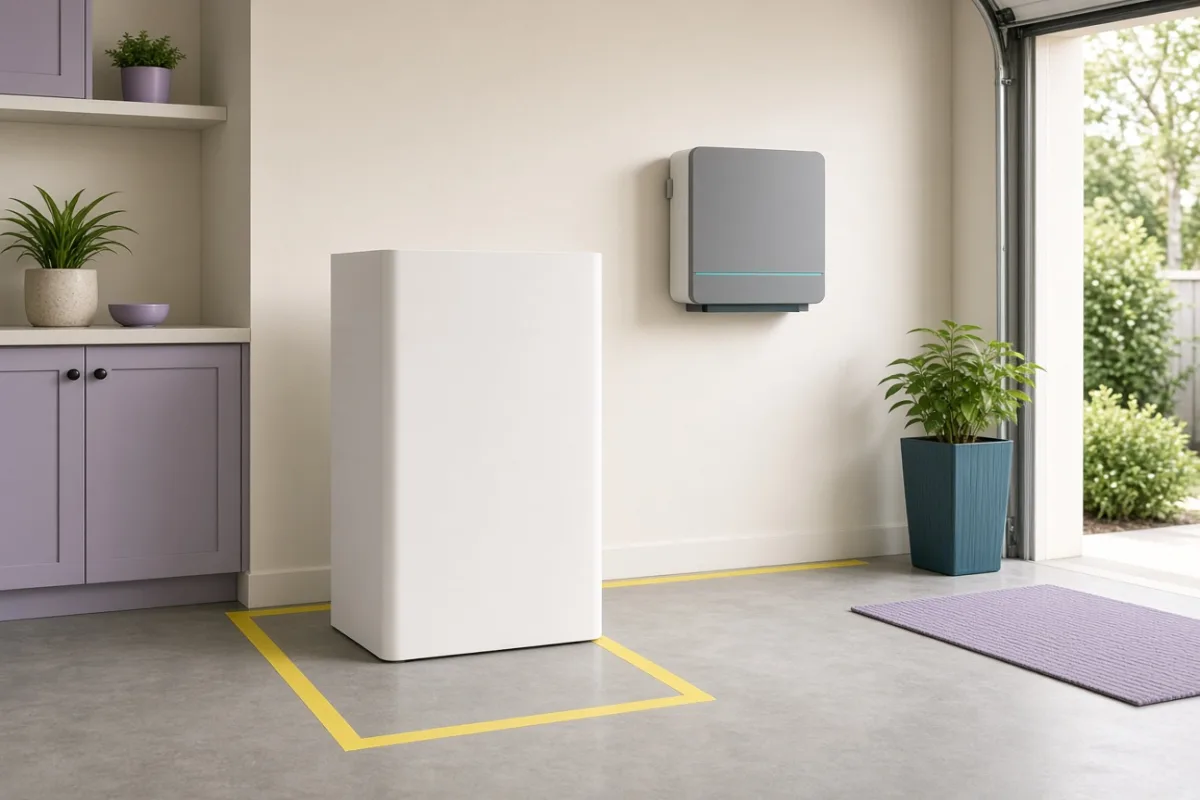
A homeowner in Travis County once had roof panels approved while the battery permit sat in draft — the crew finished the array, then waited three weeks because storage needed its own application and a revised site plan showing the cabinet location. Permits are not one envelope for everything on the truck.
One Permit or Two? Ask Before the Roof Day Is Scheduled
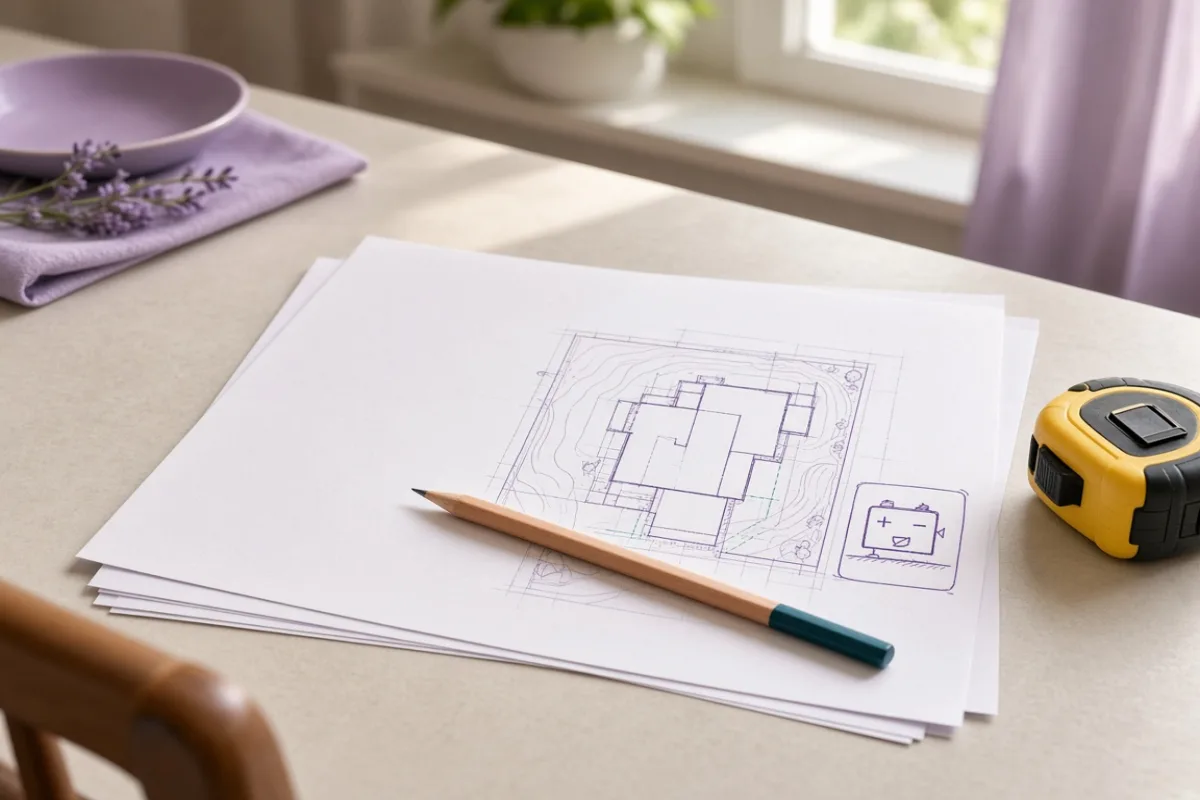
Some jurisdictions bundle photovoltaic and energy storage under one building permit when submitted together. Others treat battery storage as electrical work with separate review tracks, fee schedules, and inspection appointments. The difference is not bureaucratic trivia — it controls whether your install can proceed in a single visit or stop halfway.
Call the local permitting office with your address ready. Ask specifically whether storage is included in a standard solar permit or requires its own application. Write down the answer and the name of the counter staff member. When a contractor later says permits are handled, you will know what handled means in your city.
Documents That Arrive Late — and Delay the Inspector
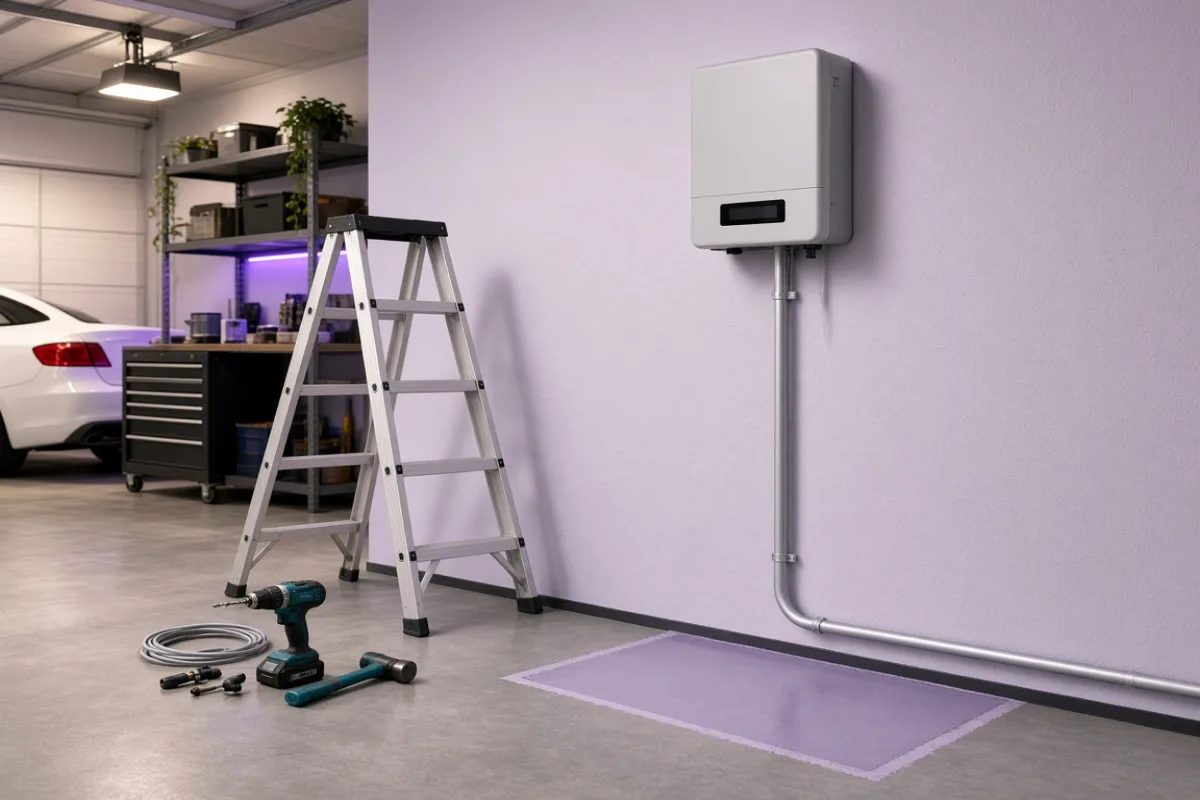
Permit packets look different everywhere, but the same items show up late often enough that planners recognize the pattern. Getting them early saves rework when the drawing on file does not match the battery pad taped in your garage.
- Single-line diagram — shows how the meter, panel, inverter, and battery connect. It must match the installed layout, not a generic template.
- Equipment cut sheets — manufacturer spec pages listing electrical ratings and listing numbers. Reviewers want data, not marketing language.
- Site plan with storage location — roof outline plus battery placement, setbacks, and access paths for fire separation where required.
- Utility interconnection forms — separate from the city permit and often slower to process.
Utility Paperwork Runs on Its Own Clock
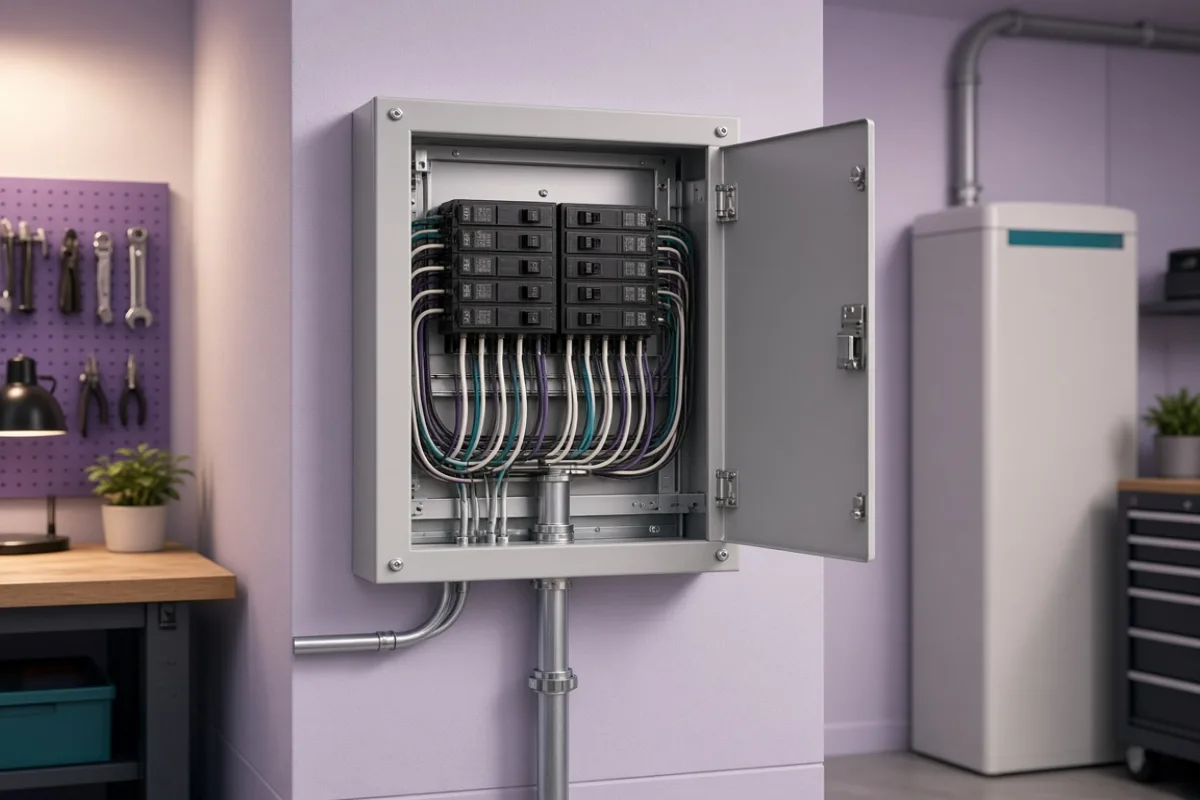
Your city may sign off while the utility still has an open interconnection request. Storage adds export limits, disconnect requirements, and sometimes a revised agreement if you already have solar on the roof. Submitting after the equipment arrives creates a gap where the system cannot legally energize storage even if the local inspector passed the job.
Ask your contractor who owns each submission — city, utility, fire district if applicable — and what triggers each review. A single Gantt chart on a proposal slide rarely matches the real sequence.
The permit drawing is a contract with the inspector. If the battery sits six feet from where the plan shows, you are not arguing aesthetics — you are reopening a review that was already closed on paper.
Questions to Settle in Writing Before Work Starts
Email works better than hallway conversations because you can forward answers to another contractor for a second opinion. Keep the list short and specific.
- Which permit numbers cover panels versus storage, and who pulls each one?
- Does the approved diagram include the exact cabinet model and mounting location?
- Are fire-setback rules for storage satisfied on the site plan for interior garage placement?
- What is the utility status — approved, pending, or not yet submitted?
- Who schedules inspections, and in what order — rough, final, utility witness if required?
When HOA Review Runs Parallel to the City
Homeowner associations may want elevation photos or color confirmations even when the city only cares about electrical sheets. Battery cabinets visible from the street trigger architectural review in some neighborhoods. Starting HOA paperwork after the city permit is approved can still block field work if covenants require prior written consent.
None of this replaces legal advice or a permit expeditor. It does keep you from discovering — on the morning the crew arrives — that the only missing piece is a stamped drawing nobody mentioned in the contract scope.